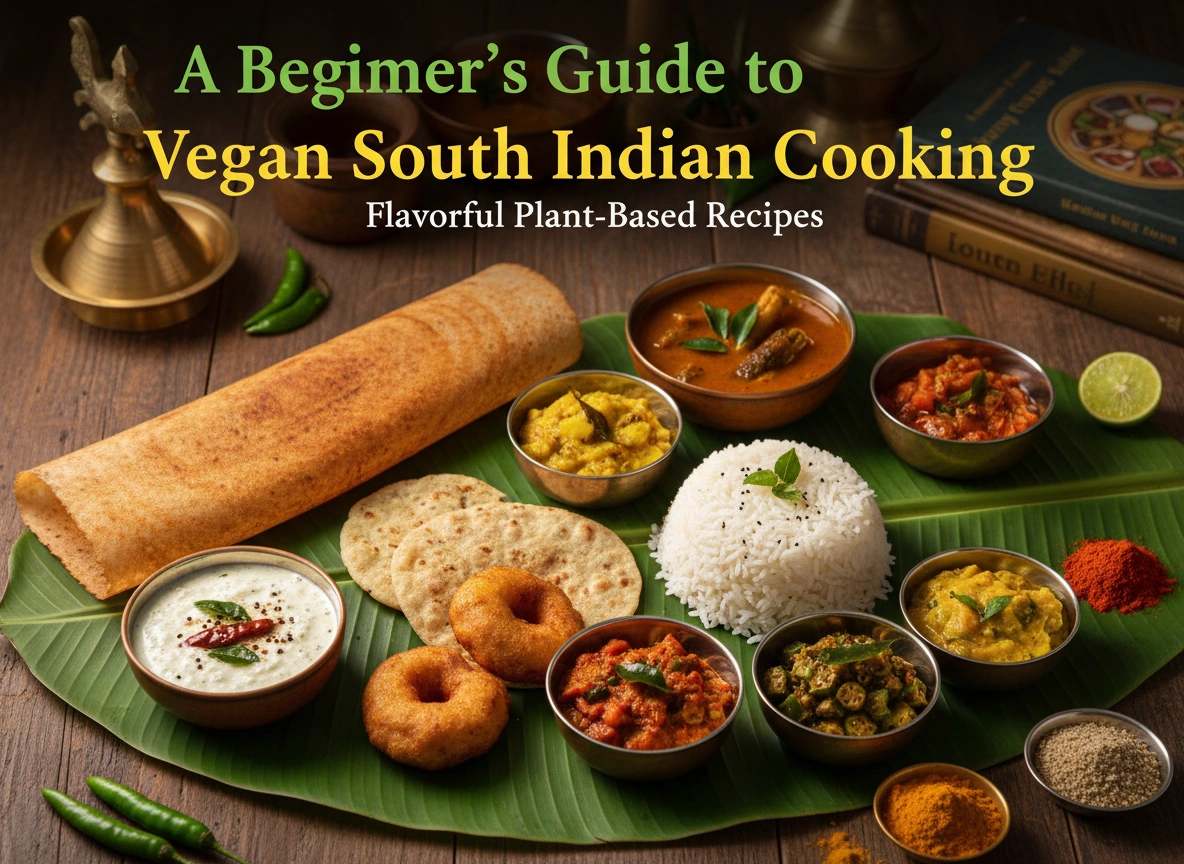
South Indian cuisine offers a vibrant tapestry of flavors, colors, and aromas that can captivate any food lover. Known for its reliance on rice, lentils, and an incredible array of spices, this regional fare is naturally rich in plant-based options. Many traditional dishes are inherently vegan or can be easily adapted, making it an exciting and accessible world for anyone looking to explore plant-based eating. This guide will walk you through everything you need to know to start your journey into vegan South Indian cooking, from essential ingredients to foundational recipes.
We will explore the core components that make this cuisine so unique and delicious. You will learn about the key spices, lentils, and vegetables that form its backbone. We will also cover the basic kitchen tools you’ll need and provide step-by-step insights into preparing iconic dishes. Get ready to transform your kitchen into a hub of fragrant, wholesome, and completely vegan South Indian meals.
The Heart of the Cuisine: Naturally Vegan Roots
South Indian food, originating from the states of Tamil Nadu, Kerala, Karnataka, Andhra Pradesh, and Telangana, is distinct from its Northern counterpart. It heavily features rice as a staple, both in its whole form and as flour used to make everything from fluffy idlis to crispy dosas. Lentils (dal) are another cornerstone, providing protein and forming the base for countless curries, stews, and side dishes.
What makes it so vegan-friendly? Many traditional recipes were developed without dairy or meat due to cultural, religious, and economic reasons. The creaminess in curries often comes from coconut milk rather than dairy cream. Ghee (clarified butter) is a common ingredient, but it can almost always be substituted with coconut oil or another vegetable oil without compromising the dish’s integrity. This inherent plant-forward approach means you are not trying to “veganize” a recipe; you are often just cooking it as it has been for centuries.
Stocking Your Vegan South Indian Pantry
Having the right ingredients on hand is the first step to success. While some items are common, others are specific to South Indian cooking. Building a well-stocked pantry will empower you to whip up a delicious meal whenever the craving strikes.
Key Lentils and Grains
- Toor Dal (Pigeon Peas): The most common lentil used for making sambar and other dal-based dishes. It has a mild, nutty flavor and turns soft and creamy when cooked.
- Masoor Dal (Red Lentils): These cook very quickly and break down completely, making them perfect for thick, creamy dals and soups.
- Chana Dal (Split Chickpeas): With a firmer texture and sweeter flavor, chana dal is used in stews, chutneys, and as a tempering ingredient.
- Urad Dal (Split Black Gram): Essential for making dosa and idli batter. When soaked and ground, it creates a light, airy texture. It’s also used in tempering for a crunchy element.
- Rice: Both long-grain (like basmati) and short-grain (like Sona Masoori or ponni) rice are staples. Rice flour is also crucial for many recipes.
The Essential Spice Box (Masala Dabba)
A traditional Indian spice box is a round container with smaller bowls inside, each holding a different spice. It keeps your most-used spices organized and accessible.
- Mustard Seeds (Rai): Small black or brown seeds that pop when heated in oil, releasing a pungent, nutty flavor. A key tempering ingredient.
- Cumin Seeds (Jeera): Adds a warm, earthy aroma. Used whole in tempering or ground in spice blends.
- Turmeric Powder (Haldi): Provides a vibrant yellow color and a subtle, earthy flavor. It’s also known for its anti-inflammatory properties.
- Asafoetida (Hing): A pungent resin with a strong onion-garlic aroma. A tiny pinch added to hot oil transforms its flavor, adding a savory depth, especially to lentil dishes.
- Fenugreek Seeds (Methi): Small, amber-colored seeds with a slightly bitter taste. Used sparingly in tempering and in idli/dosa batter.
- Dried Red Chilies: Adds heat and a smoky flavor. The level of spice can be controlled by the type and number of chilies used.
- Curry Leaves: This is perhaps the most defining aroma of South Indian cooking. These fresh leaves are added to hot oil to release their unique, slightly citrusy fragrance.
Other Must-Haves
- Tamarind: Used as a souring agent. It comes in a block (pulp) or as a concentrate. It provides the signature tangy flavor in sambar and rasam.
- Coconut: Freshly grated coconut, desiccated coconut, and coconut milk are all used extensively. Coconut adds creaminess, texture, and a subtle sweetness.
- Coconut Oil or Sesame Oil: These are the traditional cooking fats. They add a distinct flavor that complements the spices. Any neutral vegetable oil can also be used.
- Jaggery: An unrefined cane sugar that adds a caramel-like sweetness to balance the tangy and spicy flavors in some dishes.
Essential Kitchen Tools for Success
You don’t need a lot of specialized equipment to get started, but a few key items will make the process much easier.
- A Heavy-Bottomed Pan (Kadai): Ideal for sautéing, frying, and making curries.
- A Pressure Cooker: A huge time-saver for cooking lentils and rice quickly and efficiently.
- A High-Speed Blender or Grinder: Crucial for making smooth batters for dosa and idli, as well as for grinding chutneys and spice pastes.
- A Flat Griddle (Tawa): A cast-iron or non-stick tawa is essential for making dosas and other flatbreads.
- A Small Pan for Tempering (Tadka Pan): This small, deep pan is used to heat oil and bloom spices before adding them to a dish.
Your First Vegan South Indian Dishes
Let’s dive into some of the most iconic and beginner-friendly vegan South Indian dishes. Mastering these will give you a solid foundation.
1. Sambar: The Versatile Lentil Stew
Sambar is a flavorful and nutritious stew made with toor dal, tamarind, and a special spice blend called sambar powder. It’s packed with vegetables like drumsticks, carrots, pumpkin, and eggplant.
How to Make It Vegan: Sambar is almost always vegan. The only thing to watch for is ghee. When tempering, simply use coconut oil or sesame oil instead.
Beginner Tip: Making your own sambar powder is rewarding, but to start, a good quality store-bought powder works perfectly. Always add the tamarind extract toward the end of cooking to preserve its tangy flavor.
2. Dosa: The Crispy, Savory Crepe
Dosa is a thin, crispy crepe made from a fermented batter of rice and urad dal. It can be served plain or filled with a spiced potato mixture (masala dosa).
How to Make It Vegan: The batter itself is vegan. Traditionally, dosas are cooked with a drizzle of ghee for flavor and crispness. You can achieve the same effect with coconut oil, sesame oil, or even a light vegetable oil.
Beginner Tip: Fermentation is key. The batter needs to sit in a warm place for 8-12 hours until it’s bubbly and has a slightly sour smell. Use a non-stick or well-seasoned cast-iron tawa for the best results.
3. Coconut Chutney: The Perfect Accompaniment
This simple, fresh chutney is the classic pairing for dosa, idli, and vada. It’s made by grinding fresh or desiccated coconut with green chilies, ginger, and a touch of roasted chana dal for thickness.
How to Make It Vegan: Coconut chutney is naturally vegan. The final step is a tempering of mustard seeds, urad dal, and curry leaves in oil, which is poured over the ground chutney.
Beginner Tip: The consistency is up to you. Add water a little at a time while grinding until you reach your desired thickness. For extra flavor, you can add a small piece of tamarind or a squeeze of lime juice.
4. Lemon Rice: A Quick and Flavorful Meal
Lemon rice, or Chitranna, is a simple and popular dish where cooked rice is tossed in a tempering of mustard seeds, lentils, peanuts, and curry leaves, then finished with a generous amount of fresh lemon juice.
How to Make It Vegan: This dish is inherently vegan. It’s a fantastic way to use up leftover rice.
Beginner Tip: Make sure your rice is cooled and the grains are separate before mixing. This prevents it from becoming mushy. Toasting the peanuts and lentils in the tempering until golden brown adds a wonderful crunch.
Health Benefits of Vegan South Indian Cooking
Adopting vegan South Indian cooking comes with numerous health benefits. The cuisine is rich in fiber from lentils, vegetables, and whole grains, which aids digestion and promotes gut health. The use of spices like turmeric, fenugreek, and cumin offers anti-inflammatory and antioxidant properties. By relying on plant-based proteins and fats like coconut oil, you can create meals that are both heart-healthy and deeply satisfying. This way of eating is naturally low in saturated fat and free from cholesterol.
Tips for Beginners to Master the Cuisine
- Start with Tempering: Mastering the art of tempering (tadka) is fundamental. Heat oil, add mustard seeds and wait for them to pop, then add other spices like cumin, urad dal, and curry leaves. This process unlocks the full flavor of the spices.
- Don’t Fear Fermentation: For dosas and idlis, fermentation is non-negotiable. Find a warm spot in your home, like an oven with the light on, to help the batter rise.
- Balance the Flavors: South Indian cooking is a play on six tastes: sweet, sour, salty, pungent, bitter, and astringent. Learn to balance the heat of chilies with the sourness of tamarind and the sweetness of jaggery or coconut.
- Fresh is Best: Whenever possible, use fresh ingredients like ginger, garlic, coconut, and curry leaves. Their flavor is far superior to their dried or powdered counterparts.
Embarking on a culinary journey into vegan South Indian cooking is an adventure for your taste buds. It opens up a world of healthy, flavorful, and satisfying meals that are rooted in tradition. Start simple, build your pantry, and enjoy the process of creating authentic and delicious plant-based dishes right in your own kitchen.
Please visit website for more info.

