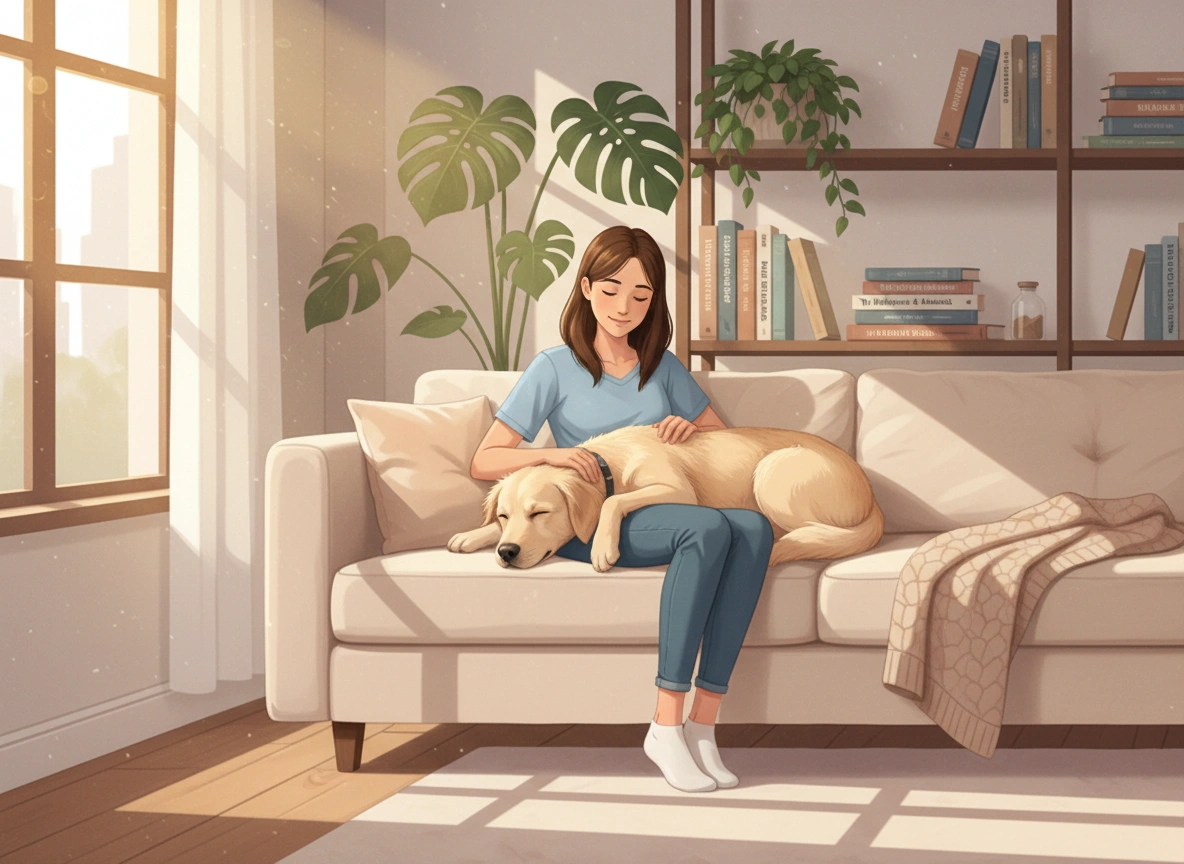
It is a feeling many pet owners know intuitively. You walk through the door after a long, grueling day, your mind racing with deadlines and anxieties. Then, you see a wagging tail or hear a gentle purr. Almost instantly, your shoulders drop, your breathing slows, and the world feels a little more manageable. While this shift feels magical, it is actually biological.
For decades, scientists have studied the bond between humans and animals, uncovering measurable physiological and psychological effects. This isn’t just about the joy of having a cute companion; it is about neurochemistry, hormonal regulation, and social psychology. This article explores the concrete science behind how our four-legged friends actively improve our mental well-being, from reducing cortisol levels to combating the modern epidemic of loneliness.
Here is what we will cover:
- The chemical reactions that occur in the brain when interacting with animals.
- How pets act as a buffer against stress and anxiety.
- The role of pets in providing structure, routine, and social connection.
- Specific benefits for different demographics, including the elderly and children.
The Chemistry of Connection: Oxytocin and Cortisol
The most immediate impact a pet has on your mental state happens at a chemical level. When you pet a dog or cat, your body undergoes a significant hormonal shift. This interaction triggers the release of oxytocin, often referred to as the “love hormone” or “cuddle chemical.”
Oxytocin is the same hormone responsible for bonding between mothers and infants. It promotes feelings of trust, relaxation, and emotional stability. Research has shown that just five minutes of interaction with a dog can induce this release in both the human and the animal, creating a mutual feedback loop of well-being.
Simultaneously, interacting with pets lowers the production of cortisol, the body’s primary stress hormone. High levels of cortisol are associated with anxiety, weight gain, and heart disease. By dampening this stress response, pets effectively act as a biological brake on our body’s “fight or flight” system.
Heart Health and Stress Resilience
The physiological benefits extend beyond brain chemistry to the cardiovascular system. Several studies have indicated that pet owners generally have lower blood pressure and resting heart rates than non-pet owners.
In stressful situations, pet owners often exhibit “stress resilience.” A study conducted by the State University of New York at Buffalo found that when people were subjected to a stressful mental arithmetic task, those with their pets present experienced smaller increases in blood pressure and heart rate compared to those who were alone or even with a spouse. The non-judgmental presence of an animal provides a unique form of support that even human companions sometimes cannot match.
Combating the Loneliness Epidemic
Loneliness is increasingly recognized as a serious health risk, comparable to smoking or obesity in its impact on longevity. Pets serve as a powerful antidote to isolation. They provide constant companionship, filling the silence of an empty home with life and personality.
For individuals living alone, a pet provides a critical sense of presence. Knowing that another living being relies on you creates a sense of purpose. This responsibility is particularly beneficial for those struggling with depression. The necessity of feeding, walking, and caring for a pet forces a routine. You cannot stay in bed all day when a dog needs a walk or a cat needs breakfast. This external motivation is often the first step toward breaking the cycle of depressive lethargy.
The Social Lubricant Effect
Interestingly, pets do not just cure loneliness within the home; they facilitate connections outside of it. Walking a dog is a social activity. It forces you into the public sphere and invites interaction.
Think about the last time you saw someone walking a particularly friendly dog. It is a natural conversation starter. Studies in social psychology describe pets as “social lubricants.” They lower the barrier to conversation between strangers. For people with social anxiety, a pet acts as a safe focal point, taking the pressure off direct eye contact or small talk, making social interactions less daunting and more frequent.
The Power of Touch and Sensory Grounding
In an increasingly digital world, we are often starved of physical touch. Touch is a fundamental human need, essential for emotional regulation. The act of stroking fur provides sensory stimulation that is inherently soothing.
This tactile interaction is a form of “grounding.” For individuals who suffer from panic attacks or PTSD (Post-Traumatic Stress Disorder), the physical sensation of a pet can anchor them in the present moment, pulling them away from flashbacks or spiraling thoughts. This is why psychiatric service dogs are so effective; they are trained to use deep pressure therapy—literally leaning against or lying on their handler—to calm the nervous system during an anxiety episode.
Case Studies in Therapy
The clinical application of this science is evident in Animal-Assisted Therapy (AAT). Therapists increasingly incorporate animals into sessions to help patients open up. The presence of a therapy dog can make a clinical setting feel less sterile and intimidating.
- Hospital Settings: Therapy dogs visiting cancer wards have been shown to reduce pain perception and anxiety in patients.
- University Campuses: Many colleges now offer “puppy rooms” during finals week, acknowledging that short bursts of animal interaction can significantly lower student stress levels and improve cognitive performance.
Beyond Dogs and Cats: Benefits of Other Pets
While dogs and cats dominate the research, they aren’t the only animals that improve mental health. The science of caring for any living creature can be therapeutic.
- Aquariums: Watching fish swim has a hypnotic, sedative effect. Dental clinics often use aquariums in waiting rooms for this reason. It can lower pulse rates and muscle tension.
- Birds: Parrots and other birds offer high levels of interaction and can form deep emotional bonds with owners, providing vocal companionship.
- Small Mammals: Guinea pigs and rabbits provide the same tactile comfort as larger animals and are often used in special education classrooms to teach empathy and calmness to children with autism or behavioral challenges.
Structural Benefits: Routine and Exercise
Mental health is inextricably linked to physical health and daily structure. Pets, particularly dogs, enforce a lifestyle that supports mental wellness.
The Exercise Connection
Exercise is one of the most effective natural treatments for depression and anxiety. Dog owners are statistically more likely to meet daily physical activity requirements than non-owners. This isn’t just about the physical exertion of walking; it is about exposure to the outdoors.
Walking a dog gets you outside, exposing you to sunlight (increasing Vitamin D) and fresh air. These “green exercise” moments—physical activity in nature—have a compounding positive effect on mood.
The Anchor of Routine
Anxiety often thrives in chaos and uncertainty. A pet requires a schedule. They need to eat at specific times and go out at specific times. This structure provides a framework for the day. For someone unemployed, retired, or working from home, this structure is vital. It delineates the day, provides break points, and ensures that no matter how chaotic the world feels, there are predictable, manageable tasks to be completed.
Considerations and Responsible Ownership
While the science is clear on the benefits, it is crucial to approach pet ownership responsibly. A pet is not a miracle cure or a pill you can take. They are living beings with their own needs and potential stressors.
For some, the financial burden or behavioral issues of a pet can increase anxiety rather than reduce it. It is essential to choose a pet that fits your lifestyle. A high-energy Border Collie might exacerbate stress for a sedentary owner living in a small apartment, whereas an older, calmer cat might be the perfect fit.
Furthermore, grieving the loss of a pet is a profound emotional event that can impact mental health negatively in the short term. The depth of grief often mirrors the depth of the bond, which validates just how psychologically significant these relationships are.
Conclusion
The science confirms what pet owners have felt for centuries: animals heal us. They alter our brain chemistry, lower our blood pressure, force us to move, and connect us to the world. In a modern society that often feels fragmented and high-stress, pets offer a biological and emotional anchor.
Whether it is the oxytocin rush from a greeting at the door, the grounding comfort of petting a cat, or the social connection sparked by a dog walk, these interactions are powerful tools for mental wellness. While they are not a replacement for professional mental health treatment, they are a profound complement to a healthy, balanced life.
If you are considering bringing a pet into your life, know that you are not just getting a companion; you are investing in a relationship that will likely make you happier, healthier, and more resilient.
Next Steps
If you are interested in exploring how a pet might benefit your specific situation:
- Assess your lifestyle: Be honest about how much time, space, and money you can dedicate to an animal.
- Volunteer: Try volunteering at a local shelter to experience the benefits of animal interaction without the immediate full-time commitment.
- Consult professionals: If you are managing a mental health condition, talk to your therapist about whether an emotional support animal or a psychiatric service dog might be right for your treatment plan.please visit website for more info.
You may also read: 10 Unique Dog Breeds and Their Special Traits
