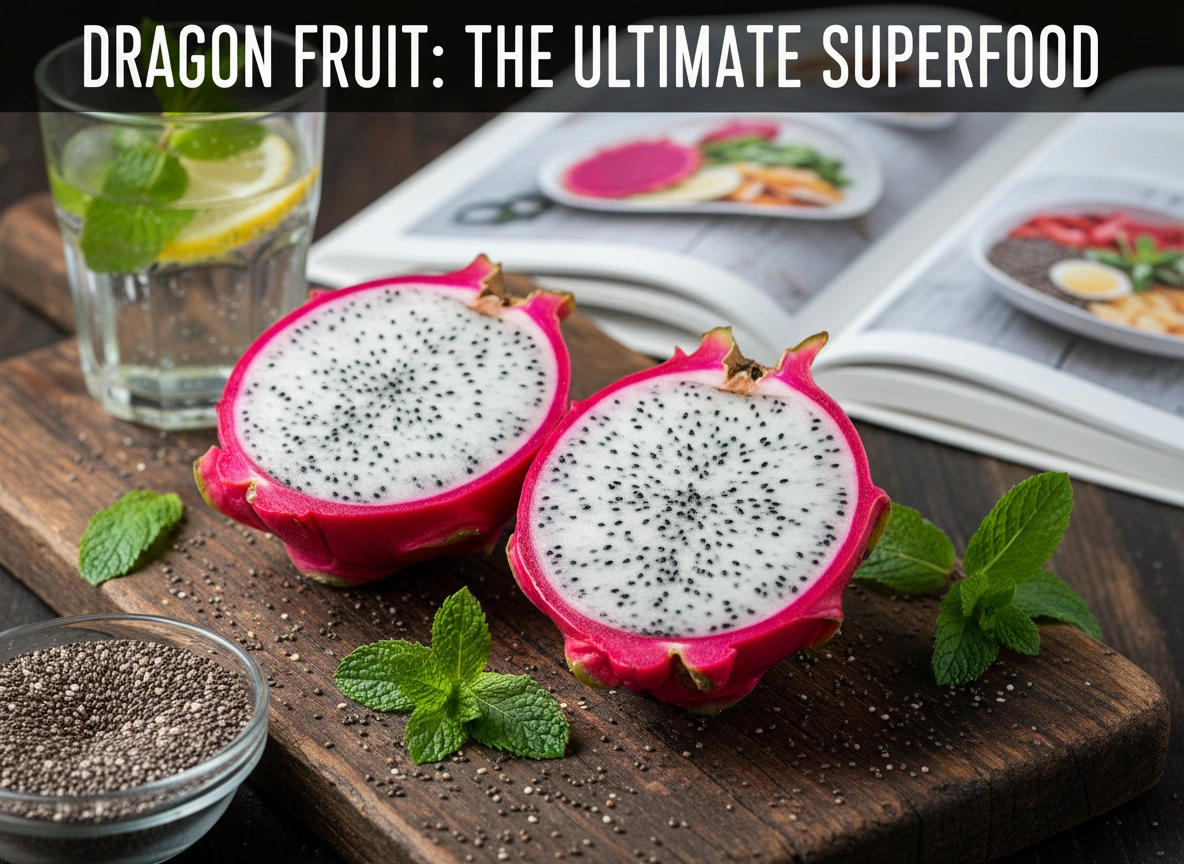
The term “superfood” often brings to mind exotic berries and leafy greens, but there’s a vibrant, scaly contender that deserves a spot on your plate: dragon fruit. With its striking appearance and impressive nutritional resume, this tropical fruit is more than just a pretty face. This article explores the world of superfoods and takes a closer look at what makes dragon fruit a powerful addition to a healthy diet.
We will cover the origins and varieties of this unique fruit, break down its nutritional content, and explore its many health benefits. You will also discover simple and delicious ways to incorporate dragon fruit into your daily meals.
What Are Superfoods?
Before we dive into the specifics of dragon fruit, let’s clarify what “superfood” means. The term isn’t scientific but is used to describe foods that are exceptionally nutrient-dense. These foods pack a high volume of vitamins, minerals, and antioxidants into a relatively small number of calories.
In our modern diets, which can be high in processed items and empty calories, incorporating superfoods is a practical way to boost nutrient intake. They support overall health, help protect against chronic diseases, and provide the essential building blocks our bodies need to function optimally. From blueberries to kale, these foods offer a concentrated dose of wellness.
An Introduction to Dragon Fruit
Dragon fruit, also known as pitaya or strawberry pear, is the fruit of several different cactus species native to the Americas. Its name comes from its dramatic appearance, with a bright pink or yellow outer skin covered in green-tipped scales, resembling a mythical dragon.
Origins and Varieties
Though originally from Central and South America, dragon fruit is now cultivated in tropical and subtropical regions worldwide, particularly in Southeast Asia. Countries like Vietnam, Thailand, and the Philippines are major producers.
There are several types of dragon fruit, each with a distinct look and taste:
- Hylocereus undatus: This is the most common variety, featuring pink skin and white flesh dotted with black seeds. It has the mildest flavor.
- Hylocereus costaricensis: Also known as red pitaya, this type has red skin and vibrant red or purple flesh. Its taste is often slightly sweeter than the white-fleshed variety.
- Hylocereus megalanthus: This variety stands out with its yellow skin and white flesh. It is typically smaller and sweeter than its pink-skinned cousins.
The flavor of dragon fruit is often described as a cross between a pear and a kiwi. The tiny black seeds are edible and have a nutty taste, adding a pleasant crunch similar to that of a kiwifruit.
The Nutritional Profile of Dragon Fruit
Dragon fruit’s “superfood” status comes from its rich and diverse nutritional content. It is low in calories but packed with essential vitamins, minerals, and beneficial plant compounds.
A single 100-gram (about 3.5-ounce) serving of dragon fruit provides:
- Calories: Approximately 60
- Fiber: 3 grams
- Protein: 1.2 grams
- Carbohydrates: 13 grams
- Vitamin C: 3% of the Recommended Daily Intake (RDI)
- Iron: 4% of the RDI
- Magnesium: 10% of the RDI
Beyond these basics, dragon fruit is a powerhouse of antioxidants.
Key Vitamins and Antioxidants
Antioxidants are crucial for protecting your cells from damage caused by unstable molecules called free radicals. This damage is linked to aging and chronic diseases like heart disease and cancer. Dragon fruit contains several potent types of antioxidants:
- Betacyanins: Found in the red-fleshed variety, these pigments give the fruit its deep color and have been shown to combat oxidative stress.
- Hydroxycinnamates: This group of compounds has demonstrated anti-cancer activity in scientific studies.
- Flavonoids: This large group of antioxidants is linked to better brain health and a reduced risk of heart disease.
The combination of these nutrients makes dragon fruit an excellent choice for anyone looking to enhance their dietary intake naturally.
Health Benefits of Eating Dragon Fruit
The rich nutritional makeup of dragon fruit translates into a wide array of health benefits. Adding this fruit to your diet can support your body’s systems in numerous ways.
1. Boosts the Immune System
Your immune system’s ability to fight off infection relies on many factors, including your intake of vitamin C and other antioxidants. Dragon fruit is a good source of vitamin C, which plays a vital role in immune function. The antioxidants in the fruit also help fortify your immune system by protecting your white blood cells from harm.
2. Promotes a Healthy Gut
A healthy gut is foundational to overall wellness. Dragon fruit contains prebiotics, which are a type of fiber that feeds the beneficial bacteria (probiotics) in your gut. Specifically, it encourages the growth of lactobacilli and bifidobacteria. A balanced gut microbiome is linked to a lower risk of digestive tract infections and improved digestion.
3. Aids in Digestion
Dietary fiber is essential for maintaining regular bowel movements. With nearly 3 grams of fiber per 100-gram serving, dragon fruit can contribute significantly to your daily fiber needs. A high-fiber diet helps prevent constipation and supports a healthy digestive system.
4. Supports Skin Health
The vitamin C in dragon fruit does more than just boost immunity; it is also crucial for collagen production. Collagen is the protein that keeps your skin looking firm and youthful. The antioxidants in the fruit also help fight free radicals, which can accelerate skin aging and cause cellular damage.
5. Rich in Iron and Magnesium
Dragon fruit is one of the few fresh fruits that contain iron. Iron is essential for transporting oxygen throughout your body and for energy metabolism. Pairing iron with vitamin C, which dragon fruit also contains, helps improve your body’s ability to absorb this important mineral. Additionally, its high magnesium content supports hundreds of biochemical reactions in the body, from nerve function to bone health.
How to Add Dragon Fruit to Your Diet
Intimidated by its exotic appearance? Dragon fruit is surprisingly easy to prepare and enjoy.
How to Cut Dragon Fruit
- Place the fruit on a cutting board.
- Using a sharp knife, slice it straight down the middle into two halves.
- You can then scoop the flesh out with a spoon, or use a knife to separate the flesh from the skin.
- Once the flesh is removed, you can cube it, slice it, or use a melon baller for a more decorative presentation.
Simple Serving Suggestions and Recipes
Dragon fruit’s mild flavor makes it incredibly versatile. Here are a few ways to enjoy it:
- Eat it Fresh: The simplest way is to eat it raw, scooped directly from the skin.
- In a Fruit Salad: Combine cubed dragon fruit with other tropical fruits like mango, pineapple, and papaya for a vibrant and refreshing salad.
- Smoothies: Blend frozen dragon fruit chunks with banana, yogurt or milk, and a splash of orange juice for a delicious and nutrient-packed smoothie. The red-fleshed variety will give your smoothie a stunning magenta color.
- Dragon Fruit Bowls: Create a thick smoothie base using frozen dragon fruit and top it with granola, coconut flakes, seeds, and fresh berries for a beautiful and satisfying breakfast bowl.
- In a Salad: Add cubes of dragon fruit to a savory salad with mixed greens, grilled chicken, and a light vinaigrette for a sweet and surprising twist.
Embrace the Power of the Dragon
Dragon fruit is far more than just a visually appealing novelty. It is a true superfood, offering a dense package of fiber, vitamins, minerals, and powerful antioxidants. From boosting your immune system and supporting gut health to promoting radiant skin, its benefits are extensive.
With its delicious taste and versatility in the kitchen, incorporating this tropical gem into your diet is both easy and rewarding. The next time you see this vibrant, scaly fruit in the produce aisle, don’t hesitate to pick it up and experience its incredible benefits for yourself.Please visit this website for more info.
You may also read: The Silent Smog: How Air Pollution Reshapes Urban Wildlife
