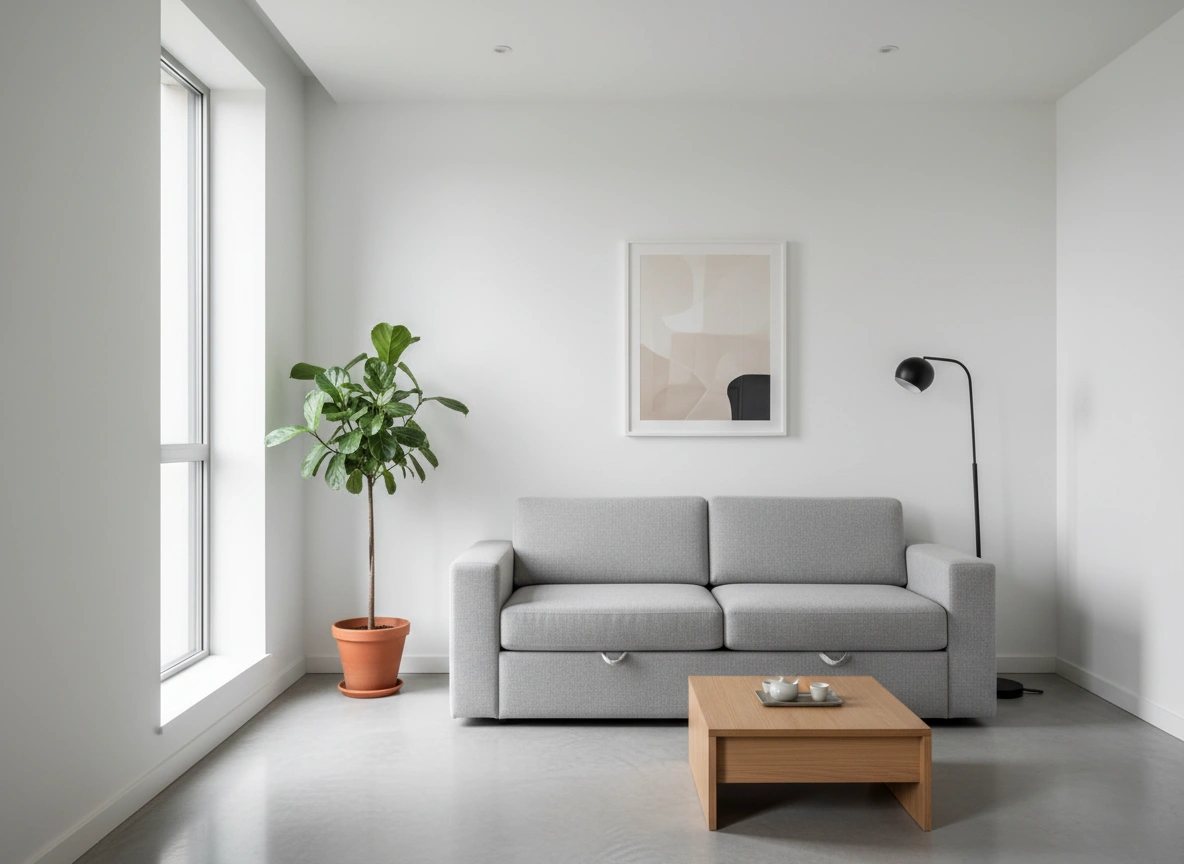
Living in a small space presents unique challenges, from finding a place for everything to maintaining a sense of openness. Embracing minimalism can transform a cramped apartment or a tiny house into a serene, functional, and beautiful home. This approach isn’t about getting rid of all your possessions; it’s about making intentional choices to live with only what you truly need and love.
By prioritizing function and simplicity, you can create an environment that feels larger, calmer, and more organized. This guide offers practical tips to help you apply minimalist principles to your small space, covering everything from decluttering to creating a soothing aesthetic. Let’s explore how you can make your small home a minimalist haven.
The Foundation: A Ruthless Decluttering Process
The first and most crucial step toward a minimalist home is decluttering. In a small space, every item you own takes up valuable real estate. A thorough purge creates the physical and mental space needed to build your minimalist environment.
Set Your Vision and Goals
Before you start pulling things out of closets, take a moment to define what you want to achieve. What is your vision for this space? Do you want a calm retreat to unwind after work? A functional area that inspires creativity? Having a clear goal will keep you motivated when the process gets tough. Write down your “why” and keep it visible.
The Four-Box Method
A systematic approach can prevent you from becoming overwhelmed. Try the popular four-box method. Get four boxes and label them:
- Keep: Items you use regularly, truly love, or find essential. Be honest with yourself. If you haven’t used it in a year, it probably doesn’t belong here.
- Donate/Sell: Items in good condition that you no longer need but someone else could use.
- Trash/Recycle: Anything that is broken, expired, or no longer usable.
- Relocate: Items that belong in another room. This helps you stay focused on one area at a time.
Work through your home room by room, or even drawer by drawer. This methodical process ensures you address every corner of your space without making a giant mess all at once.
Ask the Hard Questions
As you handle each item, ask yourself a series of critical questions:
- Do I use this regularly?
- Does this item bring me joy or serve a vital purpose?
- Do I have more than one of this? If so, do I need duplicates?
- If I were shopping today, would I buy this again?
- Am I keeping this out of guilt or obligation?
Letting go of sentimental items can be the hardest part. Consider taking a photo of an object to preserve the memory without keeping the physical item. For things you’re unsure about, place them in a “maybe” box. Seal it and put it out of sight. If you don’t think about or need anything from that box in the next six months, it’s time to let it go.
Smart Furniture for Small Spaces
Once you’ve cleared the clutter, you can focus on the larger items: your furniture. In a minimalist home, especially a small one, every piece of furniture must earn its place. The key is to select pieces that are both functional and visually lightweight.
Embrace Multifunctional Design
Multifunctional furniture is your best friend in a small apartment. These clever pieces serve multiple purposes, reducing the total number of items you need.
- Sofa Beds and Daybeds: A comfortable sofa that easily converts into a guest bed is a classic choice for small living rooms.
- Expandable Dining Tables: Look for tables that can be folded down for daily use and expanded when you have company.
- Storage Ottomans: An ottoman can serve as a footrest, extra seating, a coffee table (with a tray on top), and hidden storage for blankets or magazines.
- Nesting Tables: These sets of tables can be stacked to save space and pulled out when you need more surface area.
Choose Visually Lightweight Pieces
The physical size of furniture matters, but so does its visual weight. Heavy, dark, and bulky furniture can make a room feel smaller than it is. Opt for pieces that create a sense of airiness.
- Furniture with Legs: Sofas, chairs, and cabinets raised on slender legs allow you to see more of the floor, creating an illusion of spaciousness.
- Glass and Acrylic: Transparent materials like glass (for a coffee table) or acrylic (for chairs) take up zero visual space, making them perfect for tiny rooms.
- Light Colors: Lighter-colored furniture reflects more light and feels less imposing than dark, heavy pieces.
Master Your Storage
Effective storage is non-negotiable in a minimalist home. The goal is to have a designated place for everything you decide to keep, allowing you to maintain clear, uncluttered surfaces.
Go Vertical
When floor space is limited, the only way to go is up. Use your vertical space to its full potential.
- Floating Shelves: These shelves provide storage and display space without the bulk of a traditional bookcase. They draw the eye upward and keep the floor clear.
- Tall, Slim Bookcases: A tall, narrow bookcase can hold a surprising number of items while occupying a minimal footprint.
- Wall-Mounted Organizers: Use wall grids, pegboards, or mounted racks in your kitchen, office, or entryway to organize small items and keep them off your counters.
Conceal and Contain
While open shelving is great, not everything is display-worthy. Hidden storage is essential for maintaining a clean, minimalist look.
- Use Baskets and Bins: Group similar items together in attractive baskets or bins. Place them on shelves or inside cabinets to create a cohesive, organized look. Choose containers in a uniform color or material for a calmer feel.
- Under-Bed Storage: The space under your bed is prime real estate. Use low-profile storage containers on wheels to store seasonal clothing, extra bedding, or shoes.
- Cabinet and Drawer Organizers: Maximize the efficiency of your kitchen and bathroom storage with drawer dividers, pull-out trays, and tiered shelf inserts.
Creating a Calm Minimalist Aesthetic
With the clutter gone and your storage optimized, you can focus on the final layer: the aesthetic. A minimalist aesthetic is defined by simplicity, clean lines, and a calm, curated atmosphere.
A Neutral and Limited Color Palette
Color has a significant impact on how a space feels. For a classic minimalist look, stick to a neutral color palette.
- Choose a Base Color: Whites, light grays, and soft beiges are excellent choices for walls. They reflect light, making the space feel bigger and brighter.
- Add Subtle Accents: Introduce one or two accent colors to add personality and depth. These can be other neutrals, like charcoal or tan, or soft, muted hues like sage green, dusty blue, or blush pink. Use these colors in your textiles, artwork, and a few decorative objects.
- Incorporate Texture: A neutral space doesn’t have to be boring. Add interest and warmth through texture. Think of a chunky knit throw, a linen pillow, a jute rug, or a smooth wooden bowl.
Let There Be Light
Lighting is a powerful tool for making a small space feel open and inviting. Maximize both natural and artificial light.
- Natural Light: Keep your window treatments simple. Sheer or light-filtering curtains allow daylight to stream in while maintaining privacy. Avoid heavy, dark drapes.
- Strategic Lighting: Layer your artificial lighting. You’ll need ambient lighting (like a ceiling fixture), task lighting (a reading lamp or under-cabinet lights), and accent lighting (to highlight a piece of art).
- Use Mirrors: A large mirror can work wonders in a small room. It reflects light and creates the illusion of depth, effectively making the space feel twice as large.
Curate Your Decor
In minimalism, decor is intentional. Each piece should be chosen because it is beautiful, meaningful, or functional.
- Quality Over Quantity: Instead of filling your shelves with many small trinkets, choose a few larger, high-impact pieces. A single beautiful vase or a striking sculpture can make a more powerful statement.
- Bring in Nature: Plants are a wonderful addition to a minimalist home. They add life, color, and a touch of organic texture. Choose a few easy-care plants in simple, elegant pots.
- Artwork: Select one or two pieces of art that you truly love. A large-scale piece can act as a focal point and add personality without creating clutter.
Your Minimalist Journey Begins
Creating a minimalist home in a small space is a journey, not a destination. It’s about cultivating a lifestyle of intention and simplicity. Start small, be patient with yourself, and celebrate your progress along the way. As you let go of the excess, you will find that you are not just creating a more beautiful and functional home, but also a calmer and more focused life. The freedom that comes from living with less is the true reward.please click here for more info.
You may also read: 10 Unique Dog Breeds and Their Special Traits

